
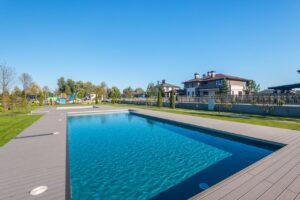
A professionally installed fibreglass pool typically takes between one and three weeks to complete, depending on the size of the pool, site conditions, weather, and any additional landscaping or finishing work. Compared to concrete pools, which can take anywhere from two to four months, fibreglass pools offer a much faster installation process, allowing homeowners to enjoy their new swimming pool sooner.
Installing a swimming pool is an exciting investment, but one of the first questions most homeowners ask is, “How long will it take?” While every project is unique, understanding each stage of the installation process helps set realistic expectations and allows you to plan your project with confidence.
In this guide, we’ll walk you through the complete swimming pool installation timeline, explain the factors that can affect the schedule, discuss whether winter installations are possible in Cape Town, and help you determine the best time of year to install a fibreglass pool.
Typical Fibreglass Pool Installation Timeline
Installation Stage | Estimated Time |
Site inspection and quotation | 1–3 days |
Planning and scheduling | 1–2 weeks |
Excavation and site preparation | 1–3 days |
Pool shell delivery and placement | 1 day |
Plumbing and electrical installation | 2–4 days |
Backfilling and equipment installation | 2–3 days |
Filling, testing and commissioning | 1–2 days |
Optional paving and landscaping | 3–10 days |
Timeframes vary depending on weather, property access, and project complexity.
How long does it take to install a fibreglass pool?
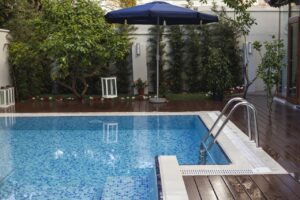
For most homeowners in Cape Town, a fibreglass pool installation takes between one and three weeks from the start of construction to the point where the pool is ready for use. This makes fibreglass pools one of the fastest swimming pool options available.
Unlike concrete pools, which are built layer by layer on-site, fibreglass pools are manufactured in a controlled factory environment before being transported to your property as a completed shell. Because the shell is already finished when it arrives, much of the construction time is eliminated.
The first step is a site inspection, where the installer assesses your property, confirms measurements, and identifies any challenges such as limited access or sloping ground. Once planning is complete and the installation date is confirmed, excavation begins.
Excavation usually takes one to three days depending on the soil conditions and the size of the pool. Once the hole has been prepared, the fibreglass shell is delivered and carefully lowered into position using specialised lifting equipment if required.
The installation team then connects plumbing and electrical systems, installs the filtration equipment, backfills around the shell, fills the pool with water, and performs final testing to ensure everything is operating correctly.
If you choose additional features such as paving, decking, landscaping, pool heating, lighting, or water features, these may extend the overall timeline by several days.
Compared with concrete pools, which often require months of curing and finishing, fibreglass pools allow homeowners to begin enjoying their investment much sooner while minimising disruption to the property.
What are the stages of swimming pool installation?
Understanding the stages of swimming pool installation helps homeowners know what to expect throughout the project. Although every installation differs slightly, most fibreglass pool projects follow the same sequence.
The process begins with a professional consultation and site inspection. During this visit, the installer evaluates access to the property, soil conditions, drainage, utility services, and the most suitable location for the pool.
Once the design has been finalised, excavation begins. Earthmoving equipment removes the required soil while the base is carefully prepared to ensure the pool sits perfectly level.
The manufactured fibreglass shell is then delivered and lowered into the excavation. Precision at this stage is essential to ensure correct positioning and long-term structural stability.
After placement, plumbers connect the circulation system, while electricians install pumps, filters, lighting, and any automated equipment.
The space surrounding the pool is gradually backfilled while the pool is simultaneously filled with water to maintain even pressure around the shell.
Once installation is complete, technicians test the equipment, balance the water chemistry, and demonstrate how to operate and maintain the pool.
The final stage often includes landscaping and finishing work such as:
- Paving
- Timber or composite decking
- Artificial grass
- Retaining walls
- Outdoor lighting
- Safety fencing
- Water features
- Entertainment areas
When completed professionally, the result is a beautiful outdoor space that is ready for years of family enjoyment.
Swimming Pool Installation Process Overview
Stage | Purpose |
Site inspection | Assess property and prepare quotation |
Excavation | Prepare space for pool |
Base preparation | Ensure stable foundation |
Pool placement | Install fibreglass shell |
Plumbing | Connect circulation system |
Electrical work | Install equipment and lighting |
Backfilling | Secure pool in place |
Water filling | Balance structural pressure |
Testing | Verify equipment performance |
Landscaping | Complete outdoor entertainment area |
What can delay a pool installation project?
Although fibreglass pool installations are generally much faster than concrete pool installations, several factors can affect the timeline and occasionally cause delays. Most professionally managed projects are completed within the expected timeframe, but understanding the potential challenges beforehand can help homeowners plan more effectively and avoid unnecessary setbacks.
One of the most common causes of delays is adverse weather. Cape Town experiences seasonal rainfall, particularly during the winter months, and heavy rain can make excavation difficult or unsafe. Saturated ground may prevent excavation equipment from operating efficiently, while excessive water in the excavation area may need to be removed before installation can continue. Fortunately, experienced pool installers closely monitor weather forecasts and schedule key stages of the project around expected rainfall whenever possible.
Another important consideration is property access. Every installation site is different, and some homes present logistical challenges that require additional planning. Narrow driveways, steep slopes, overhead power lines, mature trees, boundary walls, or limited access to the backyard may prevent standard delivery vehicles from reaching the installation area. In these cases, specialised lifting equipment such as cranes may be required to safely position the fibreglass pool shell, adding both time and complexity to the project.
Ground conditions can also influence the installation schedule. During excavation, contractors may encounter unexpected obstacles such as:
- Large rock formations
- Underground utility services
- Unstable or sandy soil
- High water tables
- Poor drainage conditions
- Hidden tree roots
When these issues arise, additional excavation, drainage improvements, or engineering solutions may be necessary before installation can proceed safely. While these situations are not always predictable, a thorough site inspection before construction begins helps identify many potential challenges early in the planning process.

Homeowner-requested changes during construction are another common reason for delays. Once the project has started, adding new features or changing the original design often requires adjustments to the installation schedule. For example, deciding to include extra features such as:
- LED pool lighting
- Water features
- Heating systems
- Automated pool covers
- Composite decking
- Additional paving
- Outdoor entertainment areas
- Landscaping upgrades
may require additional materials, specialised trades, or revised installation plans, extending the overall timeline.
Material availability can occasionally affect completion dates as well. While most standard fibreglass pool components are readily available, custom equipment, specialised pumps, imported finishes, or bespoke landscaping materials may need to be ordered, particularly during busy construction periods.
The good news is that many of these delays can be minimised through careful planning and by working with an experienced installer. A professional site assessment, accurate project scheduling, early design decisions, and clear communication throughout the process all contribute to a smoother installation. By identifying potential challenges before construction begins, homeowners can enjoy a more efficient project and have their new fibreglass pool ready to enjoy as quickly as possible.
Can a pool be installed during winter in Cape Town?
Yes, a pool can absolutely be installed during winter in Cape Town, and in many cases, it is one of the best times of the year to begin a fibreglass pool installation. While many homeowners automatically associate swimming pools with summer, experienced pool installers often recommend scheduling construction during the cooler months. By doing so, your pool is ready to enjoy as soon as the warm weather arrives, allowing you to make the most of Cape Town’s long summer season.
One of the biggest misconceptions is that winter weather makes pool installation impossible. Although Cape Town experiences more rainfall during winter, modern fibreglass pool installations can still be completed efficiently with proper planning. Professional installers carefully monitor weather forecasts and schedule excavation and installation around rainy periods to minimise delays. Since fibreglass pools are manufactured off-site and delivered as a completed shell, they require far less on-site construction time than concrete pools, making them less vulnerable to prolonged weather disruptions.
Another major advantage of winter installation is reduced demand. Summer is traditionally the busiest season for swimming pool construction because many homeowners want their pools completed before the holidays. This high demand often results in longer waiting lists and limited installation dates. By booking your project during winter, you may have greater flexibility when choosing an installation date and can often begin construction sooner.
Installing your pool during winter also gives you more time to complete the surrounding outdoor area before summer arrives. Once the pool has been installed, homeowners can focus on creating a complete entertainment space that enhances both the appearance and functionality of the backyard.
Some popular additions completed after pool installation include:
- Decorative paving
- Composite or timber decking
- Outdoor seating areas
- Built-in braai or entertainment spaces
- Garden landscaping
- Artificial grass
- LED lighting
- Pool heating systems
- Safety fencing
- Water features
Completing these improvements during winter means everything is finished and ready for use when temperatures begin to rise.
Winter installation can also be less disruptive to your family’s lifestyle. Since swimming is generally less frequent during the colder months, construction takes place at a time when you’re less likely to miss having access to your outdoor space. By the time spring and summer arrive, the installation is complete, the landscaping has matured, and the pool is ready to enjoy.
It’s important to note that heavy rainfall can occasionally affect excavation or landscaping schedules. However, experienced fibreglass pool installers understand Cape Town’s seasonal weather patterns and plan projects accordingly. Proper drainage, site preparation, and flexible scheduling help keep most projects moving efficiently despite occasional rain.
From a planning perspective, winter provides homeowners with more time to carefully consider design choices, equipment upgrades, and landscaping options without the pressure of trying to complete everything before peak swimming season. This often results in a better overall project and a more enjoyable outdoor living space.
Ultimately, if you’re planning to install a fibreglass pool in Cape Town, winter is an excellent time to begin. You’ll benefit from greater installer availability, potentially shorter waiting times, more time to complete landscaping, and the satisfaction of having your pool fully finished before summer arrives. Rather than waiting until temperatures increase, planning your installation during winter allows you to enjoy every warm day of the season from the moment it begins.
When is the best time of year to install a swimming pool?
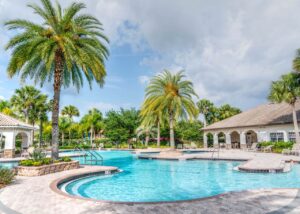
The best time to install a swimming pool in Cape Town is generally during autumn or winter. While a fibreglass pool can be installed at almost any time of the year, planning your project during the cooler months offers several advantages. By starting construction before the busy summer season, homeowners can avoid peak demand, secure preferred installation dates, and have their pool ready to enjoy as soon as the warmer weather arrives.
Many people wait until spring or early summer to start thinking about a swimming pool, but this is often when pool builders experience their busiest schedules. As demand increases, installation dates can become limited, and waiting periods may be longer. Planning your project during autumn or winter allows you to get ahead of the seasonal rush and gives your installer more flexibility to complete the project efficiently.
One of the biggest benefits of installing a pool during the cooler months is that you have plenty of time to complete the surrounding outdoor space before summer. Rather than rushing to finish landscaping, paving, or entertainment areas, you can carefully plan every detail to create a backyard that is both functional and visually appealing.
Some of the key advantages of installing a swimming pool during autumn or winter include:
- Greater installer availability
- Potentially shorter waiting periods
- More flexible scheduling options
- More time for landscaping and finishing touches
- Completion before the summer swimming season
- Better project planning and budgeting
- Reduced pressure during peak construction periods
- Immediate enjoyment once warm weather arrives
Another advantage is that many homeowners are less likely to be using their gardens extensively during the colder months. This means construction causes less disruption to outdoor activities, and by the time spring arrives, the installation is complete, the landscaping has settled, and the pool is ready for family gatherings and entertaining.
Although Cape Town’s winters bring occasional rainfall, fibreglass pools can still be installed successfully with proper planning. Experienced installers monitor weather conditions carefully and schedule excavation and installation around periods of heavy rain where possible. Because fibreglass pools are manufactured off-site and installed as complete shells, they require significantly less on-site construction than concrete pools, reducing the impact of seasonal weather on the overall timeline.
Of course, swimming pools can be installed throughout the year, provided site conditions are suitable and weather allows construction to proceed safely. Homeowners who need a pool completed for a specific event or holiday can still achieve their goals with careful planning and early booking.
If your objective is to have your fibreglass pool ready for the beginning of summer, it is advisable to start the planning process several months in advance. Early planning provides enough time to choose the right pool size and design, select equipment upgrades, organise paving and landscaping, and coordinate installation without unnecessary delays.
Ultimately, the “best” time to install a swimming pool depends on your personal schedule and when you want to start enjoying it. However, for most Cape Town homeowners, beginning the project during autumn or winter provides the ideal balance of availability, efficient installation, and preparation time. By planning ahead, you’ll be able to enjoy every sunny day of the summer in a beautifully finished pool that is ready from the very first warm weekend.
Frequently Asked Questions
1. How long does a fibreglass pool installation usually take?
Most fibreglass pools are installed within one to three weeks. The exact timeframe depends on site preparation, weather conditions, property access, and whether optional landscaping or additional features are included in the project.
2. Why do fibreglass pools install faster than concrete pools?
Fibreglass pools are manufactured off-site as complete shells before delivery. Because they arrive ready for installation, there is no lengthy on-site construction, curing, or plastering process required, significantly reducing installation time.
3. Can rain delay pool installation?
Yes. Heavy rainfall can temporarily delay excavation, backfilling, or landscaping work. However, experienced installers monitor weather forecasts carefully and adjust scheduling to minimise disruptions wherever possible.
4. Do I need council approval before installing a swimming pool?
Requirements vary depending on local municipal regulations, property zoning, and the scope of the project. Your pool installer can usually advise you on any approvals or compliance requirements that may apply to your property.
5. Can landscaping be completed after the pool is installed?
Absolutely. Many homeowners choose to complete paving, decking, gardens, lighting, and entertainment areas after the pool has been installed. This approach allows greater flexibility when designing the surrounding outdoor space.
6. How can I speed up my pool installation?
The best way to keep your project on schedule is to finalise your design decisions early, prepare the site before construction begins, ensure easy property access where possible, and work with an experienced fibreglass pool installer who carefully plans every stage of the installation process.
Conclusion
A fibreglass pool installation is one of the fastest and most efficient ways to transform your outdoor space, with most projects completed within one to three weeks. From the initial site inspection and excavation through to plumbing, testing, and landscaping, each stage plays an important role in delivering a high-quality finished pool. While weather, site conditions, and optional upgrades can influence the timeline, careful planning and professional installation help ensure the project runs smoothly. For homeowners in Cape Town, installing a fibreglass pool during autumn or winter can provide even greater convenience, allowing you to enjoy your new swimming pool as soon as summer arrives.
If you’re planning a new fibreglass pool, Muscle Pools is here to help. Our experienced team delivers professional installations, expert advice, and quality workmanship to ensure your pool is completed efficiently and built to provide years of enjoyment for your family. Contact us today.