
The cost to install a swimming pool in South Africa in 2026 typically depends on the pool type, size, materials, site conditions, and additional features, with fibreglass pools generally costing less than concrete pools. Understanding all the factors involved can help homeowners budget accurately and avoid unexpected expenses during the installation process.
A swimming pool is one of the most desirable additions to a home, providing a place for relaxation, exercise, entertainment, and family enjoyment. However, before starting a pool project, many homeowners want to know exactly how much it will cost and what factors can affect the final price.
In this comprehensive guide, we’ll break down swimming pool installation costs in South Africa, compare fibreglass and concrete pools, discuss planning requirements, explain additional costs, and help you determine whether a pool is a worthwhile investment for your property.
How Much Does It Cost to Install a Swimming Pool in South Africa in 2026?
Swimming pool installation costs vary significantly depending on the type of pool, the size of the project, the location of the property, and any custom features included.
Generally, fibreglass pools are more affordable and quicker to install, while concrete pools offer greater customization but require more labour and construction time.
Homeowners should also consider excavation, plumbing, electrical work, paving, filtration systems, and landscaping when budgeting for a new pool.
Average Pool Types and Cost Considerations
Pool Type | Relative Cost | Installation Time | Customisation Level |
Fibreglass Pool | Lower | Faster | Moderate |
Concrete Pool | Higher | Longer | High |
Vinyl-Lined Pool | Moderate | Moderate | Moderate |
Custom Luxury Pool | Premium | Longest | Very High |
The total project cost depends on much more than the shell itself, making professional quotations essential before construction begins.
What Factors Affect the Cost of Swimming Pool Installation?
Several factors influence the final cost of swimming pool installation in South Africa. While many homeowners focus primarily on the pool itself, the total project cost is often determined by a combination of design choices, site conditions, materials, and additional features. Understanding these factors can help you create a realistic budget and avoid unexpected expenses during construction.
Pool Size
Pool size is one of the biggest factors affecting installation costs. Larger swimming pools require more excavation, construction materials, plumbing, filtration equipment, labour, and water. Even a small increase in pool dimensions can have a noticeable impact on the overall project budget.
Pool Type
The type of swimming pool you choose will significantly affect installation costs. Fibreglass pools are generally more affordable because they are pre-manufactured and quicker to install. Concrete pools typically cost more due to their custom construction process, longer installation times, and additional labour requirements.
Site Accessibility
Properties with limited access can increase installation costs. If excavation equipment cannot easily reach the construction area, contractors may need to use smaller machinery or perform certain tasks manually, increasing labour expenses and project timelines.
Ground Conditions
The condition of the ground plays an important role in determining construction costs. Rocky terrain, sloping properties, unstable soil, or areas with high groundwater levels often require additional excavation work, engineering solutions, and specialized equipment.
Pool Shape and Design
Custom pool designs typically cost more than standard shapes. Features such as infinity edges, tanning ledges, built-in seating areas, waterfalls, and unique geometric designs add complexity to the project and require additional materials and labour.
Filtration Systems
The filtration system is one of the most important components of any swimming pool. High-quality pumps, filters, chlorination systems, and water circulation equipment may increase upfront costs but can reduce maintenance requirements and operating expenses over time.
Finishing Materials
The materials used to finish the pool area can significantly influence the final budget. Tiles, coping, paving, decking, and interior finishes vary widely in quality, appearance, and price. Premium finishes often provide greater durability and visual appeal but come at a higher cost.
Additional Features
Optional features such as LED lighting, pool heating systems, automated cleaning systems, pool covers, water features, and integrated spas can substantially increase installation costs. While these upgrades enhance functionality and enjoyment, they should be factored into the budget from the beginning.
By understanding these key cost factors, homeowners can make informed decisions and choose a swimming pool design that balances affordability, functionality, and long-term value.
What Is the Most Expensive Part of Installing a Swimming Pool?
For most swimming pool projects, the most expensive part of the installation process is typically the structural construction of the pool itself, particularly when building a concrete swimming pool. The structural phase involves excavation, engineering, materials, and skilled labour, all of which contribute significantly to the overall project cost.
Excavation and earthworks often represent a substantial portion of the budget. Before construction can begin, contractors must prepare the site by removing soil, levelling the area, and addressing any challenging ground conditions. Properties with rocky terrain, slopes, or difficult access may require additional equipment and labour, increasing costs even further.
Other major cost components can include:
- Excavation and earthworks
- Reinforced concrete structures
- Pool shell construction
- Plumbing systems
- Electrical installations
- Premium finishes
- Pool heating systems
- Custom water features
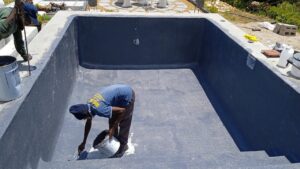
Concrete pools generally involve higher construction costs because they are built on-site and require extensive labour, steel reinforcement, concrete application, waterproofing, and finishing work. While this allows for greater design flexibility, it also increases the overall investment.
Finishing materials can also have a significant impact on the final budget. High-end tiles, coping, paving, decking, and interior finishes can substantially increase costs while enhancing the appearance and durability of the pool.
Luxury upgrades are another major cost factor. Features such as infinity edges, integrated spas, automated cleaning systems, LED lighting, waterfalls, fountains, and pool heating systems can transform a standard pool into a premium outdoor feature but often come with considerable additional expense.
Although structural construction is usually the most expensive aspect of swimming pool installation, understanding where costs originate can help homeowners prioritize features, establish realistic budgets, and make informed decisions throughout the planning and construction process.
How Much Does a Fibreglass Pool Cost Compared to a Concrete Pool?
One of the most common questions homeowners ask is whether they should choose a fibreglass pool or a concrete pool.
Fibreglass Pools
Fibreglass pools are pre-manufactured and installed as a single shell.
Benefits include:
- Faster installation
- Lower maintenance
- Smooth surface finish
- Reduced algae growth
- Lower long-term operating costs
Concrete Pools
Concrete pools are built on-site and offer virtually unlimited design flexibility.
Benefits include:
- Fully customized designs
- Unlimited shapes and sizes
- Luxury features integration
- Greater design freedom
Comparison Table
Feature | Fibreglass Pool | Concrete Pool |
Installation Speed | Fast | Slow |
Initial Cost | Lower | Higher |
Maintenance | Lower | Higher |
Customisation | Moderate | Extensive |
Lifespan | Long | Very Long |
Surface Texture | Smooth | Variable |
The best option depends on your budget, design preferences, and long-term maintenance goals.
Do You Need Planning Permission for a Pool in South Africa?
Yes, in many cases homeowners may need municipal approval before constructing a swimming pool in South Africa. While requirements can vary between municipalities, obtaining the necessary approvals is an important step that should not be overlooked. Building a swimming pool without following local regulations could result in delays, fines, compliance issues, or even costly alterations after construction has already begun.
Several factors can influence whether approval is required, including:
- Municipality regulations
- Property zoning
- Pool size
- Property boundaries
- Building restrictions
- Local building bylaws
Many municipalities require homeowners to submit building plans that clearly show the proposed location of the swimming pool, its dimensions, distances from boundary lines, and any associated structures. These plans are typically reviewed to ensure the project complies with local building regulations, safety standards, and zoning requirements.
Property boundaries are particularly important, as pools often need to maintain minimum setback distances from neighbouring properties, walls, and existing structures. In some cases, additional safety measures such as fencing or barriers may also be required to meet municipal regulations.
Requirements can differ significantly from one area to another, making it essential to consult your local municipality before construction begins. This helps prevent unnecessary project delays and ensures that the pool is built in accordance with all applicable regulations.
Working with an experienced swimming pool contractor can simplify the approval process considerably. Professional pool builders are often familiar with local municipal requirements and can assist with plan submissions, compliance documentation, and project coordination. By confirming approval requirements early in the planning stage, homeowners can avoid unexpected complications and ensure a smoother, more efficient swimming pool installation process.
What Additional Costs Should You Budget For?
Many homeowners focus only on the cost of the pool shell and overlook several important additional expenses.
Common Additional Costs
- Excavation
- Municipal approvals
- Pool pump installation
- Filtration systems
- Electrical work
- Water supply
- Safety fencing
- Pool covers
- Landscaping
- Paving
- Decking
- Lighting
- Pool heating
Additional Pool Expenses Table
Additional Feature | Budget Impact |
Pool Cover | Moderate |
Safety Fence | Moderate |
Pool Heating | High |
LED Lighting | Moderate |
Decking | High |
Landscaping | Variable |
Automated Cleaning | Moderate to High |
Water Features | High |
Including these items in your budget from the beginning helps prevent unpleasant surprises during construction.
How Long Does It Take to Install a Swimming Pool?
The time required to install a swimming pool in South Africa can vary significantly depending on the type of pool, site conditions, weather, municipal approvals, and the complexity of the design. While some projects can be completed relatively quickly, others may take several weeks or even months from planning to completion.
Fibreglass pools are generally the fastest type of pool to install because the shell is manufactured off-site and delivered ready for placement. Once excavation is complete, the shell can often be installed quickly, reducing overall construction time and minimizing disruption to the property.
Concrete pools typically require a longer installation process because they are built entirely on-site. Construction involves multiple stages, including excavation, steel reinforcement, plumbing installation, electrical work, concrete application, curing, waterproofing, and final finishing. Each stage must be completed correctly before the next can begin, contributing to a longer project timeline.
Several factors can extend the installation process, including:
- Poor weather conditions
- Permit or approval delays
- Difficult ground conditions
- Design modifications during construction
- Material availability
- Limited site access
Weather is one of the most common causes of delays, particularly during periods of heavy rain when excavation and construction work may need to be paused. Similarly, unexpected ground conditions such as rock formations or unstable soil can require additional preparation before installation can proceed.
Planning ahead and working with an experienced swimming pool contractor can help reduce delays and keep the project on schedule. Professional pool builders understand how to coordinate each phase of construction efficiently while managing approvals, materials, and site challenges. With proper planning and expert installation, homeowners can enjoy a smoother construction process and begin using their new swimming pool sooner.
Is Installing a Swimming Pool Worth the Investment?
For many homeowners, a swimming pool is a valuable lifestyle investment.
Benefits include:
- Enhanced outdoor entertainment
- Family recreation
- Exercise opportunities
- Improved property appeal
- Increased enjoyment of outdoor spaces
While pools do involve ongoing maintenance costs, many homeowners find the lifestyle benefits outweigh the financial investment.
The value added to a property often depends on location, market demand, pool quality, and overall property presentation.
How to Save Money on Swimming Pool Installation
Installing a swimming pool is a significant investment, but it does not have to break your budget. With careful planning and smart decision-making, homeowners can reduce swimming pool installation costs while still achieving a high-quality result. Understanding where costs typically arise and how to manage them effectively can help you get the best value for your money.
Choose the Right Pool Type
One of the easiest ways to save money is by selecting the right type of pool. Fibreglass pools are often the most cost-effective option because they require less labour, have shorter installation times, and generally involve lower maintenance costs over their lifespan. While concrete pools offer greater customization, they usually come with higher construction and maintenance expenses.
Plan Carefully
Proper planning before construction begins is essential. Design changes made during the installation process can lead to unexpected costs, delays, and additional labour charges. Having a clear vision of your desired pool size, shape, and features from the start helps keep the project on budget.
Compare Quotations
Obtaining quotations from multiple swimming pool contractors allows you to compare pricing, services, and warranties. While it may be tempting to choose the cheapest quote, homeowners should also consider experience, reputation, and workmanship quality to avoid costly problems later.
Avoid Unnecessary Features
Luxury additions such as waterfalls, pool heating systems, elaborate lighting, and custom water features can quickly increase the overall cost of a pool project. Focusing on essential features first and adding upgrades later can help control expenses without sacrificing functionality.
Use Experienced Contractors
Hiring experienced swimming pool installers can actually save money in the long run. Professional workmanship reduces the likelihood of construction defects, repairs, and maintenance issues that may arise from poor installation practices.
Schedule During Off-Peak Periods
Some pool contractors experience seasonal demand fluctuations. Scheduling your installation during quieter periods may provide access to better pricing and improved project availability.
By choosing the right pool, planning carefully, comparing quotes, and working with trusted professionals, homeowners can significantly reduce swimming pool installation costs while still enjoying a durable, attractive, and long-lasting pool. Smart planning is one of the most effective ways to maximize value without compromising quality.
Frequently Asked Questions
1. How much does a small swimming pool cost in South Africa?
A small swimming pool generally costs less to install than a larger pool because it requires fewer construction materials, less excavation, reduced labour, and a smaller filtration system. However, the final cost can still vary depending on factors such as the type of pool, site accessibility, ground conditions, and any additional features you choose. Even a small pool may require paving, plumbing, electrical work, and landscaping, which can influence the overall project budget.
2. Is a fibreglass pool cheaper than a concrete pool?
In most cases, yes. Fibreglass pools are typically more affordable to install because they are manufactured off-site and delivered as a completed shell. This reduces labour costs and installation time. Fibreglass pools also tend to require less maintenance over the long term due to their smooth surface, which resists algae growth. Concrete pools offer greater design flexibility but generally involve higher installation and maintenance costs.
3. Do swimming pools increase property value?
A professionally installed swimming pool can enhance the appeal of a property and potentially increase its market value, especially in warmer regions of South Africa where outdoor living is highly desirable. While a pool may not always guarantee a significant increase in resale value, it can make a property more attractive to potential buyers and help it stand out in a competitive market.
4. How much does pool maintenance cost per month?
Monthly swimming pool maintenance costs vary depending on the pool size, filtration system, water usage, cleaning requirements, and chemical treatments. Homeowners should budget for regular cleaning, water testing, chemical balancing, electricity usage for pumps, and occasional equipment servicing. Proper maintenance helps extend the lifespan of the pool and prevents costly repairs.
5. Can I finance a swimming pool installation?
Yes, many homeowners choose financing options to spread the cost of swimming pool installation over time. Financing may be available through banks, home improvement loans, personal loans, or other financial products. Eligibility and terms will depend on the financial institution, credit profile, and individual circumstances.
6. What is the cheapest type of swimming pool to install?
Fibreglass pools are generally considered one of the most cost-effective swimming pool options available. They typically offer lower installation costs, faster construction timelines, and reduced long-term maintenance expenses compared to concrete pools. For homeowners seeking an affordable balance between quality, durability, and value, fibreglass pools are often the preferred choice.
Conclusion
The cost of installing a swimming pool in South Africa in 2026 depends on numerous factors, including pool type, size, site conditions, design complexity, and additional features. Fibreglass pools typically offer a more affordable and faster installation solution, while concrete pools provide greater customization at a higher cost. Homeowners should also budget for approvals, filtration systems, paving, landscaping, and ongoing maintenance expenses. By understanding these factors and working with experienced professionals, you can make informed decisions and enjoy a high-quality swimming pool that enhances your property and lifestyle for years to come.
Why Choose Muscle Pools for Your Swimming Pool Installation?
At Muscle Pools, we specialize in professional swimming pool design, installation, renovations, repairs, and maintenance throughout South Africa. Our experienced team works closely with homeowners to deliver high-quality pool solutions tailored to their budget, property, and lifestyle goals.
Whether you’re considering a fibreglass pool, a custom-designed concrete pool, pool renovations, leak detection, resurfacing, or equipment upgrades, we provide expert advice and workmanship from start to finish.
With a commitment to quality, reliability, and customer satisfaction, Muscle Pools helps homeowners create beautiful outdoor spaces that can be enjoyed for years to come.
Contact Muscle Pools today for professional swimming pool installation services and a customized quotation for your project.