
The average cost to install a fibreglass pool in Cape Town in 2026 ranges from approximately R90,000 to R250,000 or more, depending on the size of the pool, site conditions, installation complexity, finishes, and optional features. While the upfront investment varies from one project to another, fibreglass pools remain one of the most cost-effective swimming pool options because they are faster to install, require less maintenance, and have lower long-term running costs than many alternatives.
For many homeowners, installing a swimming pool is about more than adding a place to cool off during Cape Town’s warm summers. It’s about creating an outdoor lifestyle, increasing property value, and investing in a feature the whole family can enjoy for years. Before starting your project, however, it’s important to understand exactly what influences the total installation cost so you can budget realistically and avoid unexpected expenses.
This guide explains the average cost of installing a fibreglass pool in Cape Town in 2026, the factors that influence pricing, additional expenses to consider, and why fibreglass pools continue to offer outstanding value compared to concrete pools.
Estimated Fibreglass Pool Installation Costs in Cape Town
Pool Size | Estimated Installation Cost (2026) |
Small Fibreglass Pool (4–5m) | R90,000 – R130,000 |
Medium Fibreglass Pool (6–7m) | R130,000 – R180,000 |
Large Fibreglass Pool (8m+) | R180,000 – R250,000+ |
Prices vary depending on site conditions, access, equipment, finishes, and optional upgrades.
What is the average cost of a fibreglass pool in Cape Town?
The average cost of a fibreglass pool in Cape Town depends on several variables, but most homeowners can expect to invest between R90,000 and R250,000 or more for a professionally installed swimming pool. Smaller plunge pools generally fall at the lower end of the price range, while larger family pools with premium finishes and additional features naturally cost more.
A fibreglass pool installation includes far more than simply placing the pool shell into the ground. The overall project typically covers excavation, site preparation, transport of the pool shell, crane placement where necessary, plumbing, filtration equipment, electrical connections, backfilling, coping, and commissioning the pool before handover.
The size of the pool is one of the biggest pricing factors. Larger pools require more excavation, additional materials, larger filtration systems, and more labour. Homeowners should also remember that optional upgrades such as LED lighting, heating systems, water features, automated cleaning equipment, and decorative paving can increase the total project cost.
Although the initial investment may seem significant, fibreglass pools provide excellent long-term value. Their smooth, non-porous surface requires fewer chemicals, less cleaning, and lower ongoing maintenance than many other pool types. Over time, these savings help offset the initial installation cost, making fibreglass one of the most economical choices for homeowners.
Working with an experienced pool installer is also important. Professional installation ensures the pool is correctly positioned, properly levelled, and fitted with quality equipment that performs reliably for decades.
What factors affect fibreglass pool installation costs?
No two pool installations are exactly the same. Even if two homeowners choose the same fibreglass pool model, the final installation cost may differ because every property presents unique challenges and opportunities.
One of the most important factors is pool size. Larger pools require additional excavation, more backfill material, larger pumps and filters, and more installation labour.
Site accessibility also plays a major role. Properties with narrow access, steep driveways, boundary walls, or limited working space may require specialised lifting equipment such as cranes. These additional logistics can influence the final price.
Ground conditions are another significant consideration. Rocky ground, unstable soil, underground services, or high water tables may require extra excavation work or specialised preparation before installation can begin.
The type of equipment selected also affects the budget. Standard filtration systems are generally less expensive than premium energy-efficient pumps, variable-speed filtration systems, salt chlorinators, heat pumps, or automated cleaning systems.
Many homeowners also choose to enhance their outdoor space with additional landscaping and entertainment features. Decorative paving, timber decking, retaining walls, artificial grass, outdoor lighting, pergolas, fencing, and water features all contribute to the overall project cost.
Other factors that influence pricing include:
- Pool shape and dimensions
- Delivery distance
- Municipal requirements where applicable
- Electrical installation
- Plumbing complexity
- Safety barriers
- Drainage requirements
- Site preparation
- Finish selections
- Landscaping after installation
Obtaining a professional on-site assessment is the most accurate way to determine installation costs because it allows the installer to evaluate your property and recommend the most suitable solution.
Are fibreglass pools cheaper than concrete pools?
Yes. In most cases, fibreglass pools are cheaper than concrete pools, both in terms of installation and long-term ownership costs.
Concrete pools remain popular because they can be customised into virtually any size or shape. However, this design flexibility comes at a price. Concrete pools typically require longer construction periods, more labour, additional materials, and ongoing maintenance that increases ownership costs over time.
Fibreglass pools, by comparison, are manufactured in a factory before arriving on-site as a finished shell. This streamlined process reduces construction time, minimises labour costs, and allows homeowners to begin enjoying their new pool much sooner.
Maintenance is another area where fibreglass offers significant savings. The smooth gelcoat finish naturally resists algae growth, reducing the amount of brushing, vacuuming, and chemical treatment required. Concrete pools generally require more chemicals, more cleaning, and resurfacing every decade or so, adding considerably to lifetime ownership costs.
Cost Comparison | Fibreglass Pool | Concrete Pool |
Initial Installation | Lower to Moderate | Higher |
Installation Time | 1–3 Weeks | 2–4 Months |
Chemical Usage | Lower | Higher |
Cleaning Requirements | Low | High |
Long-Term Maintenance | Low | High |
Resurfacing Costs | None | Periodic |
Lifetime Ownership Cost | Lower | Higher |
Although custom luxury concrete pools remain an excellent option for unique architectural projects, fibreglass pools deliver better overall value for most Cape Town homeowners seeking affordability, durability, and low maintenance.
What additional costs should homeowners budget for?
When budgeting for a new swimming pool, many homeowners focus only on the pool shell and installation. However, there are several additional costs that may be required depending on your property, design preferences, and optional upgrades.
Landscaping is often one of the largest additional investments. Many homeowners choose to install paving, decking, lawn areas, planting beds, retaining walls, or entertainment spaces around the pool to complete the project.
Safety is another important consideration, particularly for households with young children. Safety fencing, self-closing gates, pool covers, and alarms may all be worthwhile additions depending on your family’s needs.
Many homeowners also choose energy-efficient upgrades that reduce operating costs over time. These may include variable-speed pumps, solar heating systems, heat pumps, LED lighting, automated chlorination systems, and robotic pool cleaners.
Potential additional costs may include:
- Excavation challenges
- Crane hire
- Pool heating
- Salt chlorinator
- LED pool lighting
- Pool cover
- Robotic cleaner
- Decorative paving
- Timber decking
- Landscaping
- Outdoor entertainment areas
- Water features
- Safety fencing
- Electrical upgrades
Planning for these extras from the beginning helps prevent unexpected expenses later in the project and allows homeowners to create a complete outdoor living space rather than simply installing a pool.
Does a fibreglass pool increase property value?
Yes, a professionally installed fibreglass pool can increase your property’s value, particularly in Cape Town, where outdoor living is a major selling point for homebuyers. While the exact increase in value depends on factors such as your property’s location, the quality of the installation, and the overall presentation of your outdoor space, a well-designed fibreglass pool is often viewed as a desirable lifestyle feature that can make your home more attractive to potential buyers.
Cape Town enjoys a Mediterranean climate with long, warm summers, making swimming pools highly sought after in many suburbs. Buyers are increasingly looking for homes that offer functional outdoor entertainment areas where family and friends can relax, entertain, and enjoy the beautiful weather. A modern fibreglass pool can transform an ordinary backyard into an inviting outdoor living space, helping your property stand out in a competitive housing market.
One of the biggest advantages of a fibreglass pool is its reputation for being low maintenance. Today’s buyers are more informed than ever and understand the ongoing costs associated with owning a swimming pool. Many prefer fibreglass pools because they require less cleaning, fewer chemicals, and lower maintenance than traditional concrete pools. This makes the property more appealing to buyers who want the benefits of a swimming pool without committing to extensive upkeep.
Fibreglass pools are also associated with lower operating costs, another feature that resonates with modern homeowners. Thanks to their smooth, non-porous gelcoat finish, fibreglass pools naturally resist algae growth, reducing the need for excessive chemical treatments and lengthy filtration cycles. Lower electricity and maintenance costs can become an attractive selling point, especially as utility prices continue to rise.
A professionally installed fibreglass pool can enhance your property’s appeal by offering:
- A modern and stylish outdoor feature
- Lower maintenance requirements
- Reduced chemical usage
- Greater energy efficiency
- Faster cleaning and easier upkeep
- Long-term durability
- Family-friendly outdoor entertainment space
- Increased buyer interest during property viewings
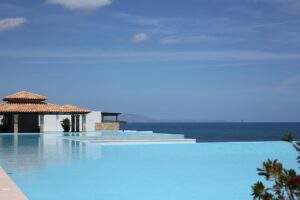
However, it’s important to understand that the pool alone does not determine the increase in property value. Buyers evaluate the overall presentation of the outdoor area, and a thoughtfully designed landscape can significantly enhance the perceived value of your home. A fibreglass pool that is integrated into a beautiful entertainment space often leaves a much stronger impression than a pool that appears unfinished or poorly maintained.
Features that can further increase your home’s resale value include:
- Professionally designed landscaping
- Quality paving or composite decking
- Outdoor seating and entertainment areas
- Energy-efficient pool pumps and filtration systems
- LED pool and garden lighting
- Solar or heat pump pool heating
- Water features such as fountains or cascades
- Secure safety fencing
- Well-maintained lawns and garden beds
These additions create a complete outdoor lifestyle experience rather than simply adding a swimming pool. Many buyers envision themselves entertaining guests, spending weekends with family, or relaxing beside the pool, making the property feel more desirable.
Regular maintenance also plays a critical role in protecting your investment. Even the most beautiful pool can lose its appeal if it is neglected. Cloudy water, algae growth, cracked paving, or poorly maintained equipment can create a negative first impression and raise concerns about future maintenance costs. In contrast, a sparkling clean fibreglass pool with clear water and a well-kept entertainment area immediately communicates that the property has been cared for.
It’s also worth noting that fibreglass pools often appeal to a broader range of buyers than concrete pools. Because they are known for their durability and lower maintenance requirements, many families, professionals, and retirees see them as a practical long-term investment. Buyers are often willing to pay more for a home that includes features requiring less ongoing maintenance, particularly when those features contribute to an improved lifestyle.
While no swimming pool guarantees a specific increase in resale value, a professionally installed fibreglass pool can certainly enhance your home’s marketability. In many cases, it can help a property sell more quickly by attracting buyers who appreciate outdoor living, convenience, and modern design. When combined with quality landscaping, energy-efficient equipment, and regular maintenance, a fibreglass pool becomes more than just a backyard feature—it becomes a valuable lifestyle asset that enhances both everyday enjoyment and long-term property appeal.
Frequently Asked Questions
1. How much does a small fibreglass pool cost in Cape Town?
The cost of a small fibreglass pool in Cape Town typically starts at around R90,000, but the final price can vary depending on several factors. These include the size and model of the pool, the accessibility of your property, site preparation requirements, excavation conditions, and the equipment included in the installation. Optional extras such as LED lighting, heating systems, automated pool cleaners, paving, decking, and landscaping will also increase the overall investment. The best way to obtain an accurate price is to request a professional site assessment and detailed quotation tailored to your property.
2. Why are fibreglass pools cheaper than concrete pools?
Fibreglass pools are generally more affordable because they are manufactured in a controlled factory environment before being transported to your property as a completed shell. This significantly reduces labour costs, construction time, and the amount of work required on-site. In addition to lower installation costs, fibreglass pools also save homeowners money over the long term. Their smooth, non-porous surface requires fewer chemicals, less cleaning, and no expensive resurfacing, making them one of the most cost-effective swimming pool options available for Cape Town homeowners.
3. How long does it take to install a fibreglass pool?
One of the biggest advantages of choosing a fibreglass pool is the speed of installation. In most cases, a professionally installed fibreglass pool can be completed within one to three weeks, depending on weather conditions, site accessibility, and any additional landscaping or finishing work required. This is considerably faster than concrete pools, which often take between two and four months to construct. A shorter installation time means less disruption to your property and allows you to enjoy your new swimming pool much sooner.
4. What is included in a fibreglass pool installation?
A professional fibreglass pool installation usually includes all the essential work required to prepare your pool for use. This generally covers excavation, site preparation, delivery of the fibreglass shell, crane placement if required, plumbing, filtration equipment, electrical connections, backfilling, levelling, testing, and commissioning. Some pool builders may also include pool coping or basic paving, while landscaping, decking, fencing, heating systems, and water features are often quoted as optional extras. Always ask your installer for a detailed breakdown of what is included to avoid unexpected costs later in the project.
5. Do fibreglass pools require a lot of maintenance?
No. Fibreglass pools are widely recognised as one of the easiest types of swimming pools to maintain. Their smooth gelcoat finish naturally resists algae growth, meaning less brushing, fewer chemicals, and reduced cleaning compared to concrete pools. Because the water stays balanced more easily, filtration systems generally operate more efficiently, helping to reduce electricity costs. With regular water testing, routine cleaning, and basic equipment maintenance, a fibreglass pool can remain in excellent condition for decades while requiring far less upkeep than many alternative pool types.
6. Is installing a fibreglass pool a good investment?
Yes. For many homeowners, installing a fibreglass pool is a smart long-term investment that delivers both financial and lifestyle benefits. In addition to creating an attractive outdoor entertainment area, a professionally installed fibreglass pool can improve the appeal and marketability of your property. Lower maintenance costs, energy efficiency, durability, and fast installation all contribute to excellent long-term value. Whether your goal is to spend more quality time with family, enhance your home’s outdoor living space, or increase its resale potential, a fibreglass pool offers an excellent balance of affordability, convenience, and lasting enjoyment.
Conclusion
The cost of installing a fibreglass pool in Cape Town in 2026 generally ranges from R90,000 to R250,000 or more, depending on the pool size, site conditions, equipment, and additional features. While every installation is unique, fibreglass pools continue to offer exceptional value thanks to their faster installation, lower maintenance costs, energy efficiency, and long lifespan. By understanding the factors that influence pricing and budgeting for optional extras, homeowners can confidently plan a pool project that suits both their lifestyle and their budget. For most Cape Town families, a fibreglass pool remains one of the smartest long-term investments for enhancing both outdoor living and property value.
If you’re considering installing a fibreglass pool, the team at Muscle Pools can help you choose the ideal design for your property and provide professional installation tailored to your needs. With quality workmanship and a commitment to customer satisfaction, we help homeowners create beautiful pools that can be enjoyed for many years. Contact us today!